Motivating Older Individuals to Adopt Regular Exercise Through Inclusive Workout Protocols
Wiki Article
Staying active is important for individuals of every age group, but it grows especially important as people age. For elders, consistent physical activity supports maintaining self-reliance, improves movement, and enhances general health. Comprehensive training frameworks provide aging individuals with organized approaches to physical health that address coordination, flexibility, power, and resilience. By implementing professionally developed exercise routines, seniors can improve their quality of life while minimizing the risks of injuries, long-term illnesses, and mental health challenges.
Exercise for older adults is not restricted to strenuous workouts or intense exercise regimens. It centers instead on safe, consistent, and sustainable activity that matches personal fitness conditions. Exercises such as leisure walking, mobility work, chair yoga, and bodyweight exercises aid in preserving limberness and muscle tone. Heart-strengthening activities like swimming or recumbent cycling improve cardiovascular function, which are vital for maintaining physical endurance and stamina. These types of exercise also enhance mental function, as findings have shown that consistent activity can boost memory, emotional well-being, and focus.
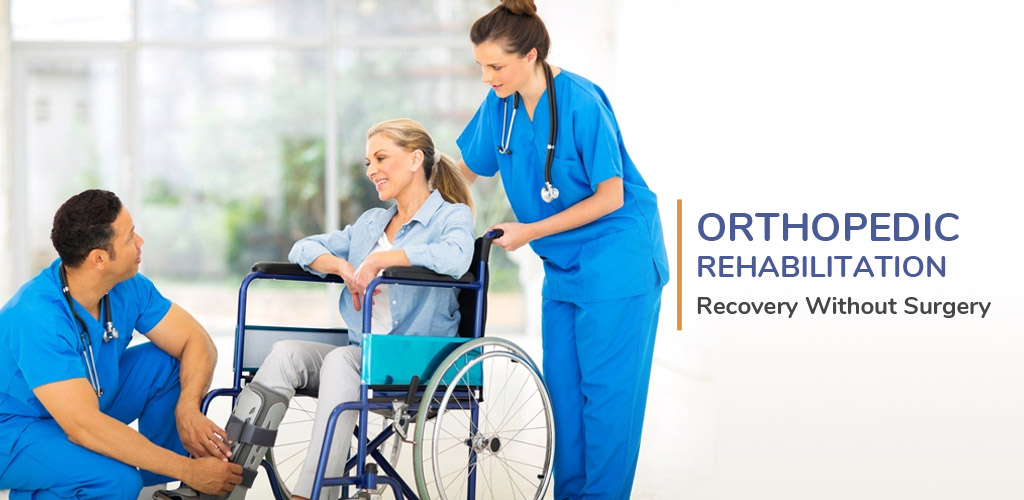
Holistic fitness recommendations prioritize a balanced method to fitness, addressing bodily, psychological, and social aspects of well-being. Participants are encouraged to begin slowly and move forward at a comfortable pace, ensuring security while reducing overexertion. Incorporating pre- and post-exercise stretches minimizes injury, while adequate water consumption and nutrition support training outcomes. Additionally, social exercise settings—such as senior workout groups or fitness meetups—create opportunities for social interaction, encouragement, and well-being, which are equally important to total wellness.
next Qualified instruction acts as a crucial role in helping aging individuals build personalized exercise plans. Seeking advice from physicians, mobility experts, or certified fitness trainers ensures that plans are adapted to specific health conditions, fitness levels, and objectives. These professionals can design effective workout protocols that consider factors such as joint conditions, bone fragility, or aerobic restrictions. Through consistent evaluation and adjustment, exercise plans stay beneficial and motivating, promoting sustained adherence and achievement.
Overall, motivating elders to participate in fitness through comprehensive training recommendations creates a mindset of healthy living. When seniors are supplied with information, confidence, and organized systems, they develop assurance in their strength and appreciate greater freedom. Sustained fitness improves not only muscle capacity but also focus and well-being. personal training programs By supporting adaptive, professionally structured exercise plans, societies can ensure that each older adult has the chance to lead a active, active, and fulfilling life.